
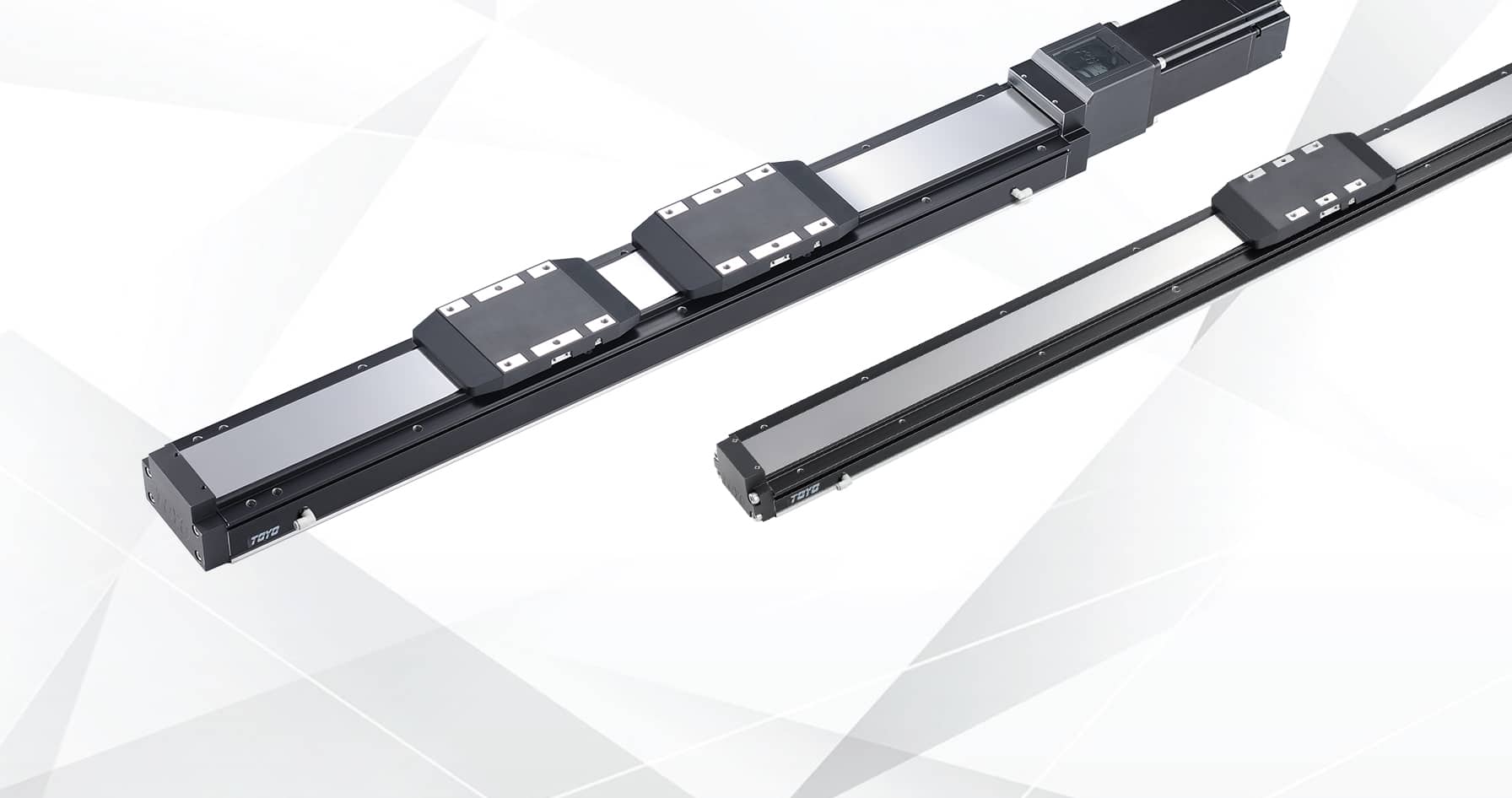
Cleanroom Actuators
Cleanroom linear actuators are designed for environments where particle control, precision, and reliability are critical. Engineered to meet stringent cleanliness standards, they provide smooth, controlled motion for semiconductor, pharmaceutical, and laboratory applications without compromising cleanroom integrity.
A standard axis will run perfectly well in your cleanroom and quietly cost you yield. Sealed body, integral suction port, low-dust lubrication throughout GLCH, GLCB, GCH and ECH across screw and belt drive, precision and payload. Semiconductor, photonics, pharmaceutical and medical device manufacturing. Tell us the class your room is qualified to and we will confirm the rating and send the test documentation.
-
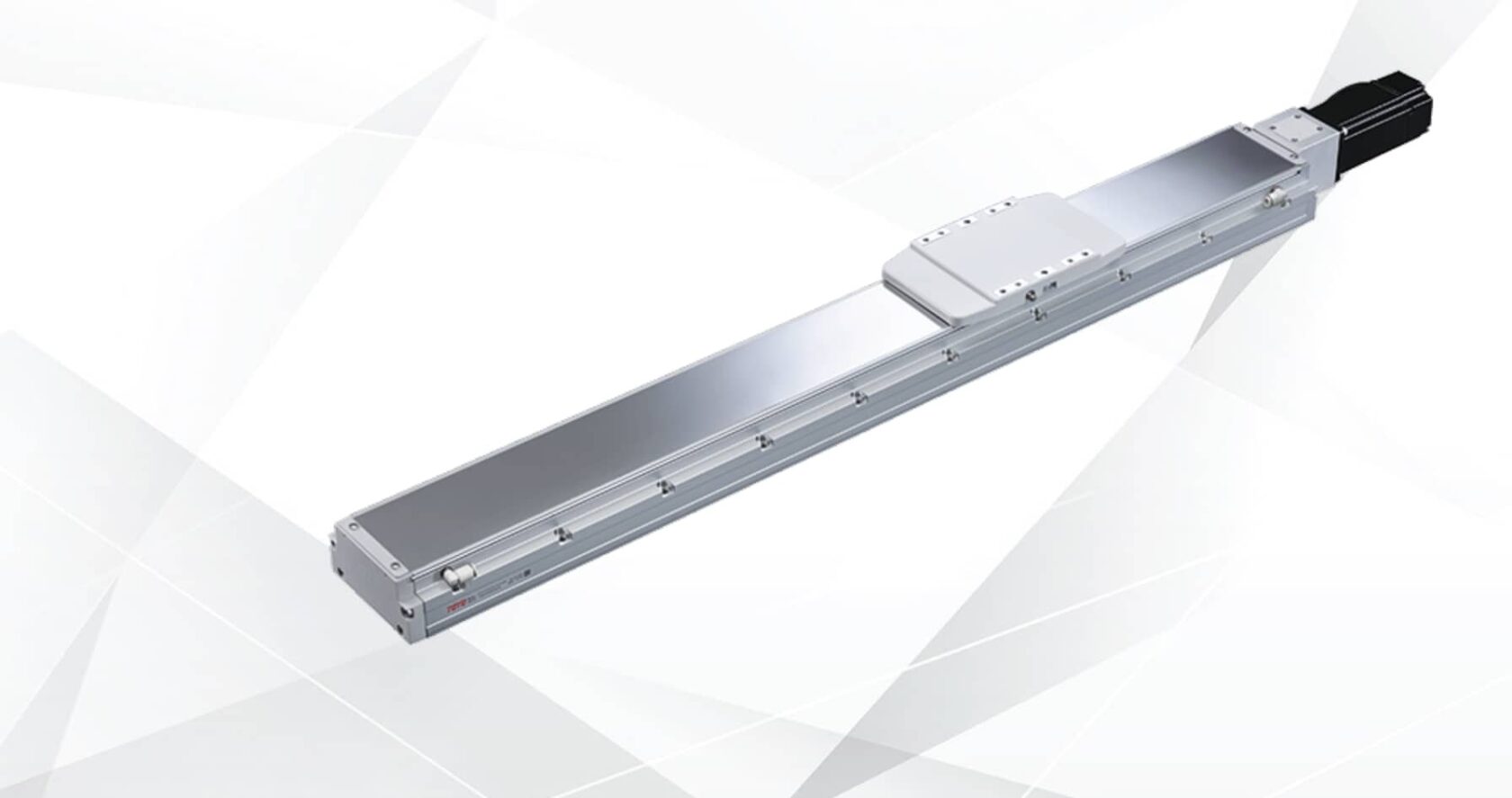
GCH Series
Cleanroom axis for precision positioning: wafer handling and equipment staging. Enclosed body with integral suction port; cleanliness class confirmed per configuration against test documentation. -
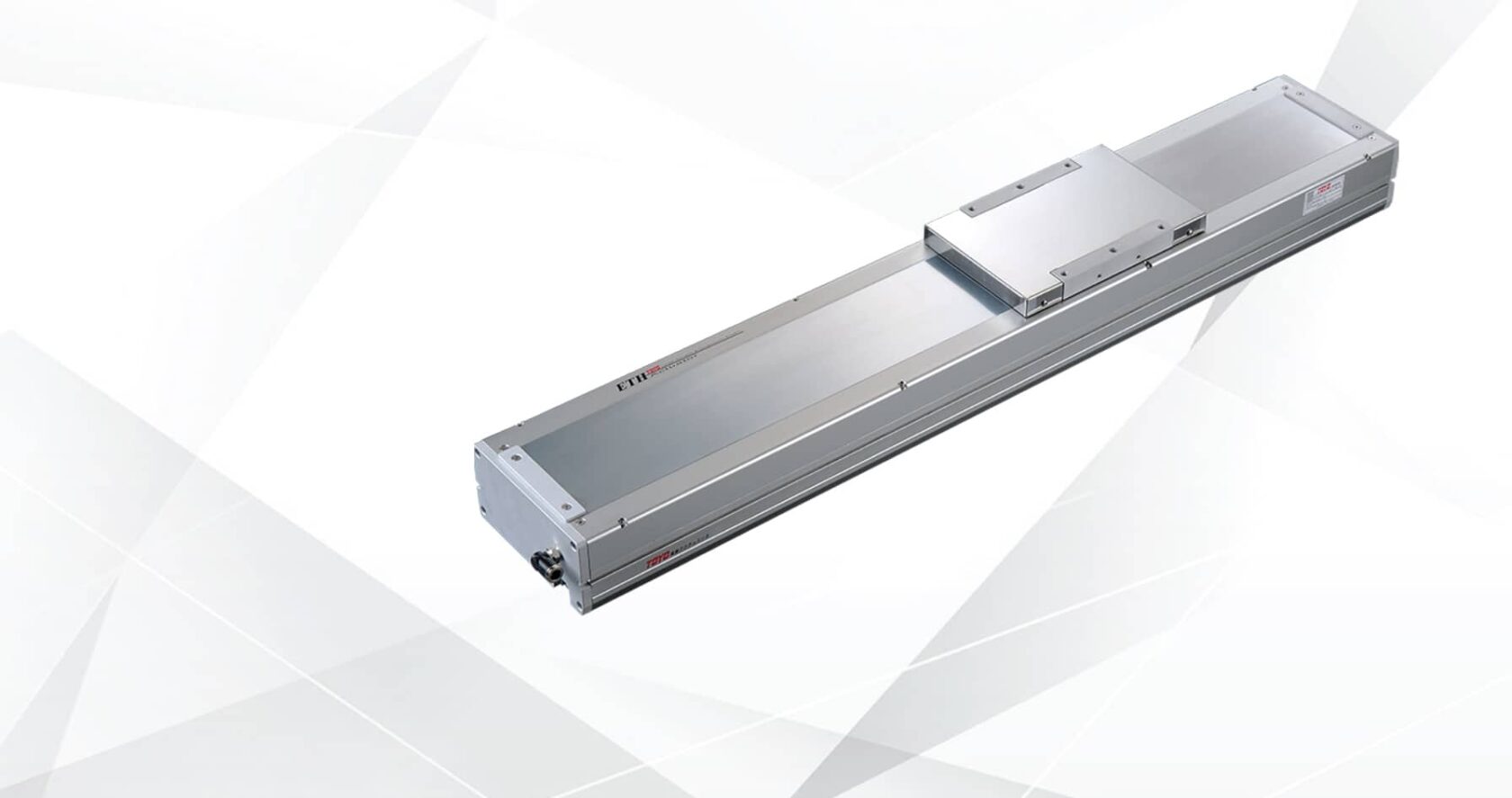
ECH Series
Cleanroom axis for higher payloads and longer strokes, sealed and extracted through an integral suction port. For substrate transfer and larger handling duty in a controlled environment. -
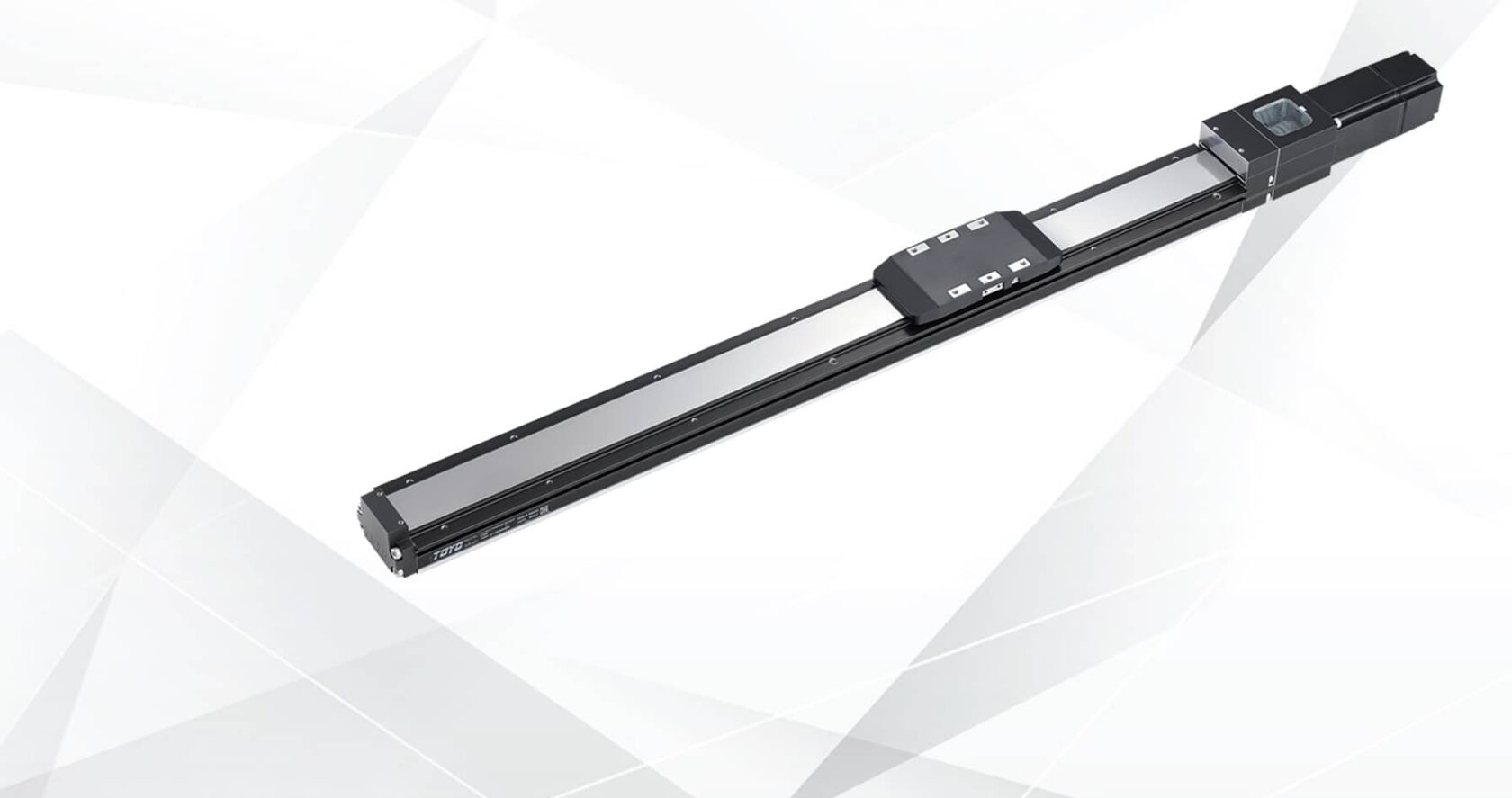
GLCH Series
Highly sealed, screw-driven cleanroom axis with low-dust lubrication and negative-pressure extraction. For precision positioning where particle control comes first. -
GLCB Series
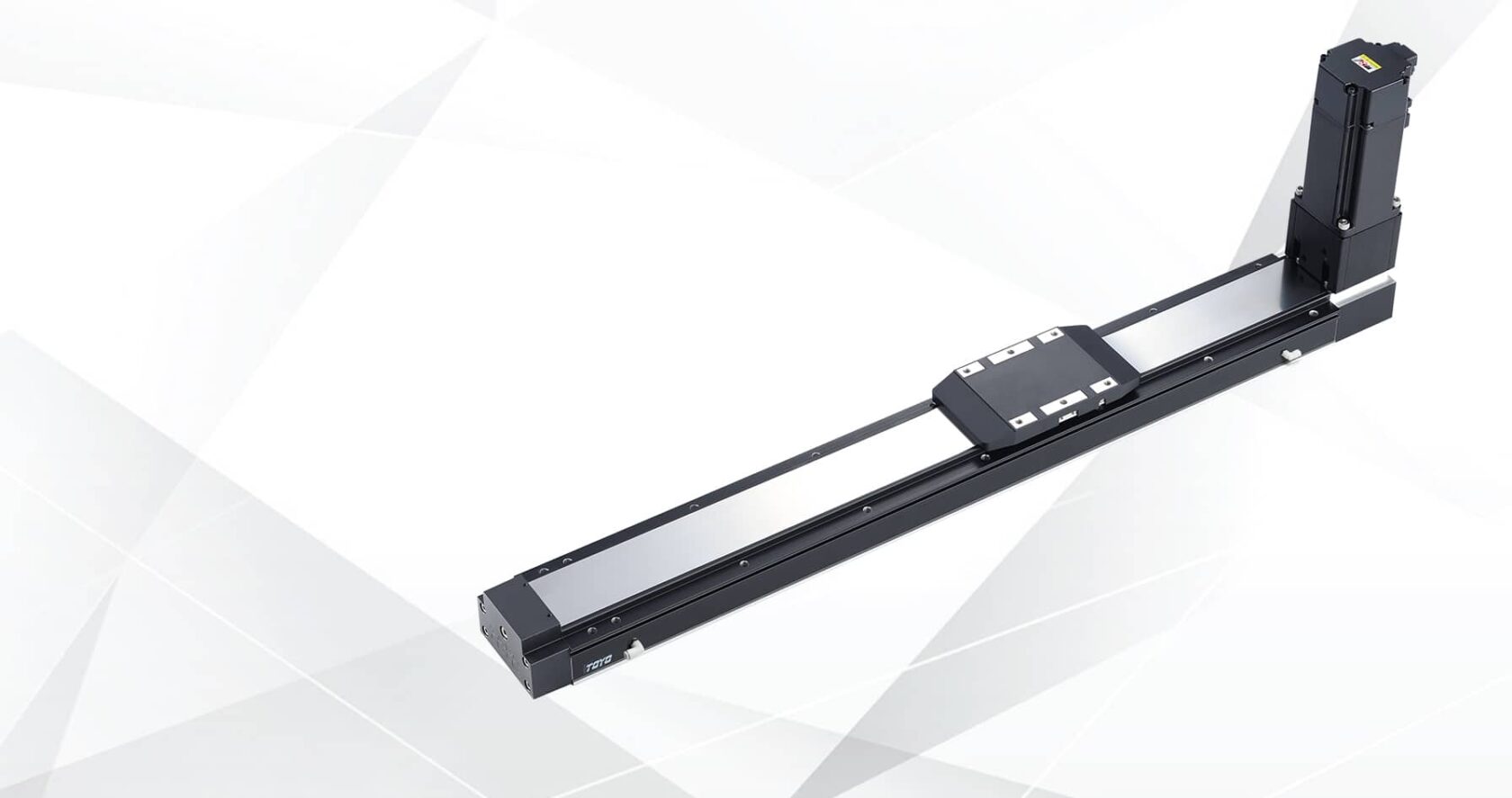
Belt-driven cleanroom axis for higher speed and longer travel, enclosed and extracted to limit particle release. For transfer between process stations in a controlled environment.
Supply and specification
Sealing does not cost positioning performance: the guide and drive train are the same class of components used across the standard range, enclosed and extracted rather than derated.
Cleanliness class is confirmed per series and per configuration, with supporting test documentation, rather than quoted as a blanket figure.
Sizing and integration
- The class the room is qualified to. Not the class it was designed to. Everything else follows from this, and the two are not always the same number.
- Extraction provision. Sealed axes achieve their rating with the suction port connected. Confirm that a vacuum line reaches the machine, and at what flow — if it does not, the selection and the expected performance both change.
- Cable and carrier management. The drag chain, connectors and cable jacket are as significant a particle source as the axis. Specify cleanroom-rated carriers and jacketing, or the sealed actuator is doing work the rest of the assembly undoes.
- Drive type against duty. Screw drive for accuracy, thrust and vertical axes; belt for speed and travel. GLCH and GCH cover the first, GLCB the second, ECH the heavier end.
- Chemical and process exposure. Solvents, process gases, wipe-down regime and any outgassing constraint all bear on seals, cable jacket and surface finish. Say what the axis will be exposed to and how often it is cleaned.
- Orientation and brake. Vertical axes inside a tool need a holding brake specified, and the brake itself has to meet the same cleanliness requirement.
- Qualification timing. If the tool is going through a formal qualification, the test documentation is needed at design freeze, not at delivery. Raise it early.
Where these axes run
Wafer, cassette and substrate handling in semiconductor front-end and back-end tooling. Inspection and metrology staging. Display and photonics assembly and alignment. Pharmaceutical and medical device manufacture, filling and aseptic handling. Diagnostic and laboratory automation, including sample handling and liquid dispensing. Battery cell assembly in dry rooms, where particulate control and low-humidity compatibility are specified together. In most of these the axis is one element of a frame, so the same sealed units are configured into XY and XYZ modules for cleanroom duty.
Engineering notes
Rating varies by series and by configuration and is confirmed against test documentation rather than published as a single figure across the range. Give us the class your room is qualified to and the duty, and we will confirm which series meets it and supply the supporting report.
Three mechanisms together: an enclosed body so debris is contained at source, an integral suction port so the internal volume runs below ambient and any particulate is drawn away rather than escaping, and low-dust lubrication and surface treatment so there is less generated to begin with.
It varies with series, stroke and the sealing arrangement, and it is specified per configuration. It is worth establishing before the facility interface is designed, since retro-fitting a vacuum line to a tool already on the floor is not a small job.
No. The precision comes from the guide and drive train, which are the same class of components as the standard range. GCH is built specifically for high-precision cleanroom positioning; GLCB keeps belt-drive speed and stroke inside a sealed body.
Yes, multi-axis cleanroom arrangements are configured as a system, with the carrier and cable specification handled as part of it. See multi-axis robots, or send us the requirement.


Specify Your Axis With The UK Team
Send us the stroke, payload, orientation and move profile, and we will come back with a sized axis and a lead time confirmed against the specification.